Behind Zara billionaire’s modest lifestyle is a growing fortune
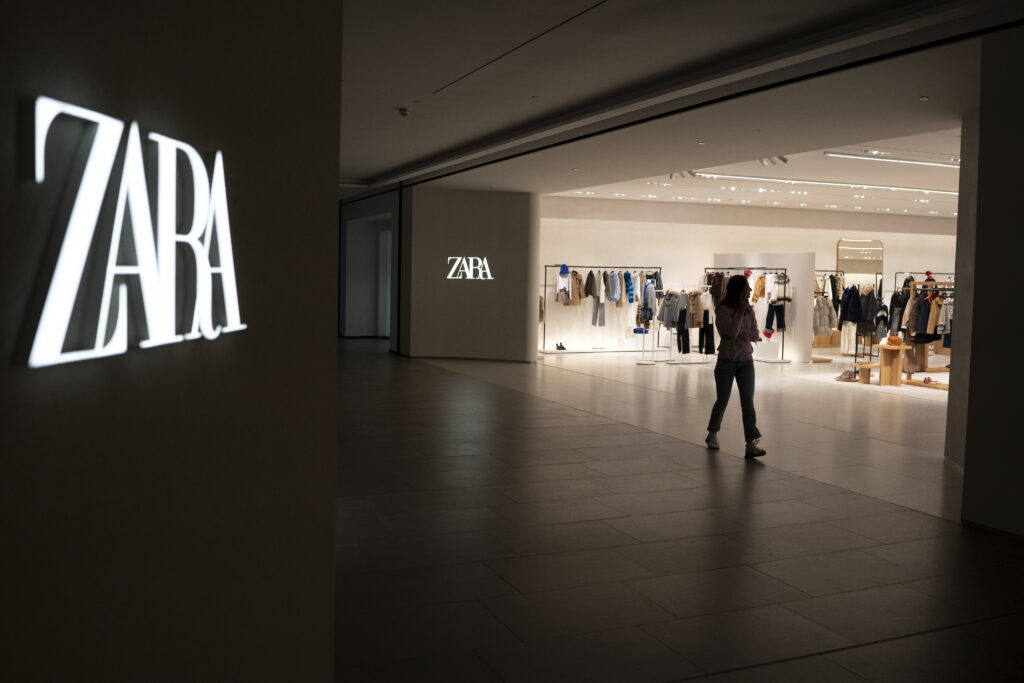
Sandra Ortega, Spain’s richest woman, has spent most of her life in the small northwestern town of Oleiros, a windy place overlooking the Atlantic Ocean.
The 58-year-old is so intensely private and lives such an ordinary life that “for all they have”, there’s little that points to her immense wealth, says Ángel García Seoane, the town’s mayor.
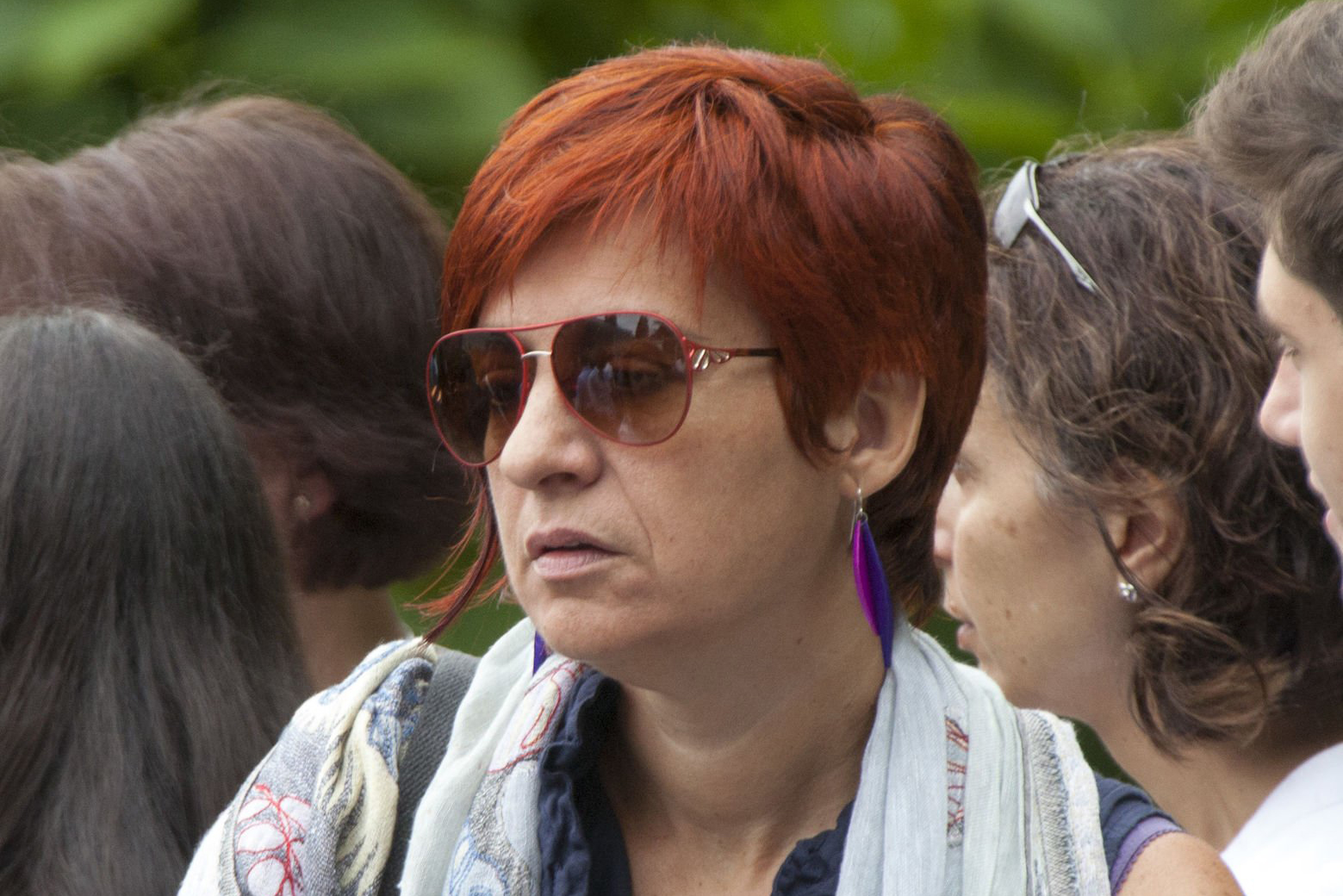
The second-largest shareholder of Zara owner Inditex SA after her father, the company’s founder Amancio Ortega, Sandra’s 5.05% stake is currently valued at about €8.5 billion ($9.5 billion).
Her half-sister Marta, Inditex’s chairwoman, is the more visible member of the next generation of Ortegas. But Sandra, Amancio’s daughter with his first wife, has amassed enormous wealth without ever playing a role at the business her parents started – now the world’s biggest fashion retailer.
When 90-year-old Amancio, whose net worth stands at about $127 billion, eventually passes on, Sandra’s wealth is set to grow substantially.
Under local laws, at least a quarter of his estate’s value will go to his descendants. That would give his three children – Sandra, her disabled brother Marcos, and Marta – a minimum of $10.6 billion each, based on Bloomberg Billionaires Index’s estimate of his fortune. The inheritance may not necessarily be in Inditex shares, but Sandra’s current stake already gives her unusual clout.
Sandra’s only direct connection to Inditex’s operations has been through her husband, who has held low-profile jobs at the company linked to facilities and innovation.
Read: Zara founder Ortega leads ultra-rich’s push into $1trn property market
Her three young-adult children have not been involved in the business, and there’s little to suggest that will change after Amancio Ortega. But Amancio’s descendants from his two marriages have had almost no relationship for decades, leaving investors with the question of how Inditex’s family shareholders will deal with one another once he – their common link – is no longer in the picture.
“The vulnerability is not today; it is the day Amancio Ortega’s shares move,” said Martin Roll, a global family business strategist and senior adviser at McKinsey & Co.
“A passive shareholder with a meaningfully larger stake, no board seat and no track record of how she would vote when it matters becomes a strategic variable for everyone around the table, including outside investors.”
Granted, Amancio may already have in place an ownership architecture for the nearly 60% stake in Inditex held by his holding firm Pontegadea, with a well-defined shareholders’ pact and family governance structure that has not been made public.
Still, how family shareholders work together is often critical to such companies’ future, said Alfonso Chiner, a professor at IESE who specialises in such entities.
“The shareholders of a family business need commitment and unity,” he said. “The predecessor, successor, the company and the family all have to comply with a joint, parallel and organised plan.”
Spokespeople for Sandra’s organisations, Inditex and Pontegadea declined to comment. Sandra didn’t accept requests for a meeting and didn’t make any of her staff available for interviews.
But conversations with about a dozen people familiar with her world paint a picture of a reluctant billionaire who shuns the trappings of the rich even as Inditex continues to swell her coffers.
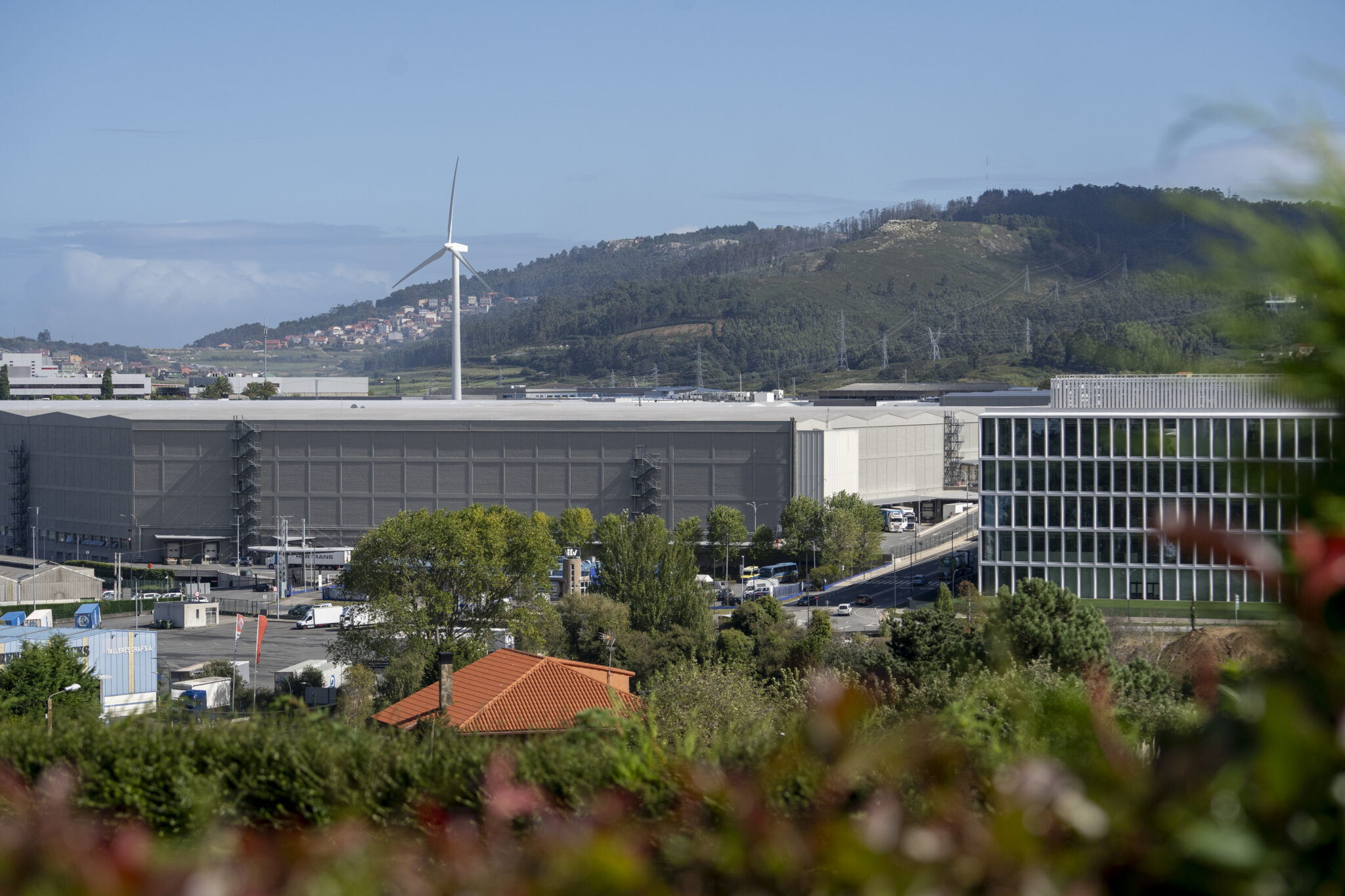
Inditex is headquartered in Arteixo, just outside A Coruña, a port city of sandy beaches and cobbled streets where Amancio Ortega lives in a 19th-century building with glass-enclosed balconies overlooking the shoreline. Nearby, a similar façade houses Sandra’s family office.
Although a short distance sets the two buildings apart, father and daughter were long estranged, a reflection of the family rupture that shaped Sandra’s place in the Inditex story.
More than four decades ago, her parents separated after Amancio’s relationship with an Inditex employee, Flora Pérez, resulted in the birth of a daughter – Marta.
His two families had little to do with each other. Over time, however, Amancio and Sandra have rebuilt a relationship, people familiar with the matter said, declining to be named discussing private matters.
The story of Sandra’s fortune, which she now manages through her family office and a foundation, traces its roots to the creation of Zara by her parents in the mid-1970s.
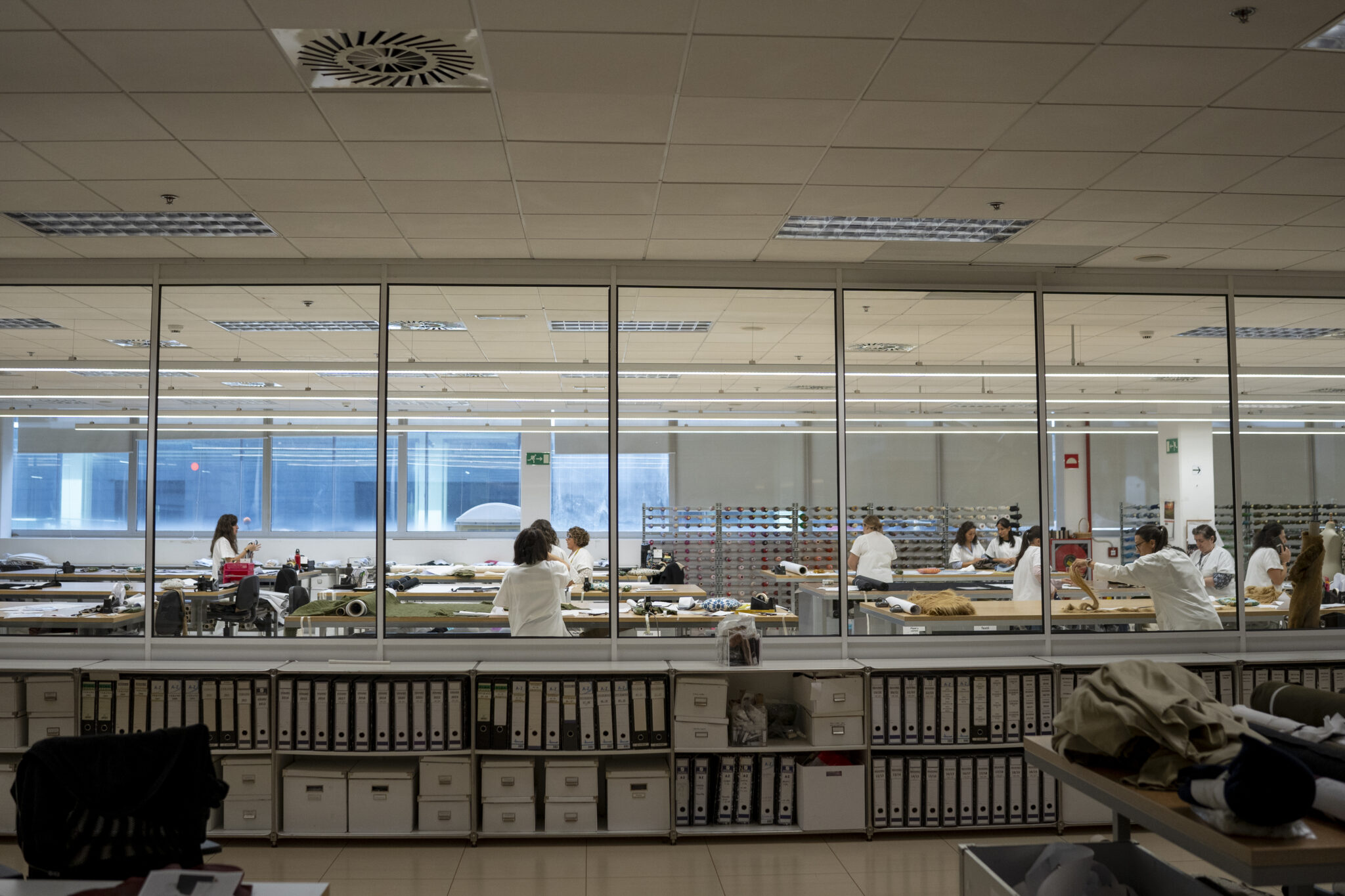
Sandra’s mother, Rosalía Mera, was born in 1944 in A Coruña and grew up in poverty. Mera’s home faced a beach where a slaughterhouse sewer emptied blood and scraps into the sea. Leaving school at 11, Mera took up jobs as a seamstress to support her family, eventually working at a haberdashery known as La Maja, where she met her future husband, Amancio Ortega.
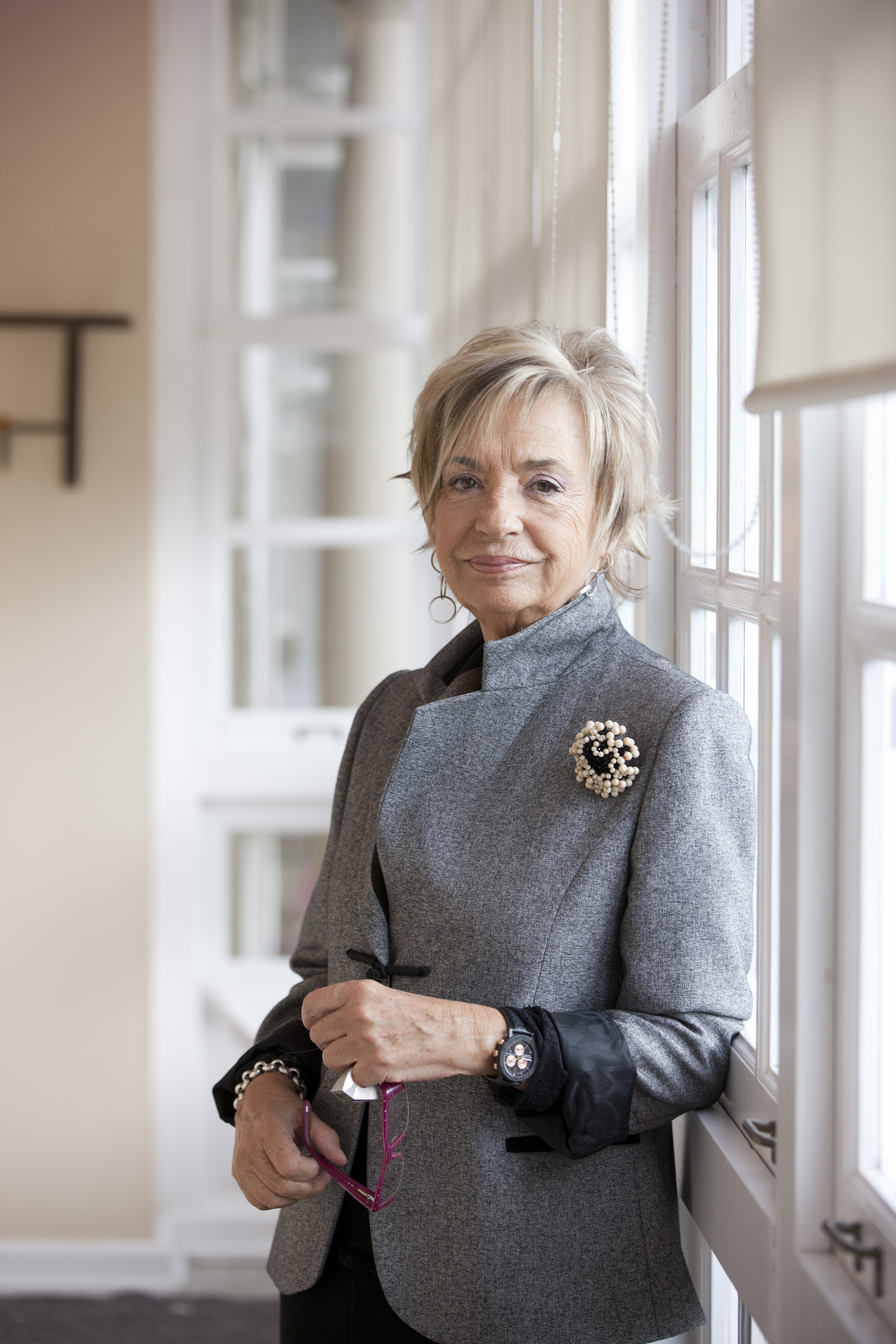
In the beginning, they were a team of four: Mera, Amancio, his brother Antonio and sister-in-law Primitiva Renedo, according to the Zara founders’ biographer Xavier Blanco.
Mera and Renedo began sewing baby buntings, but it was a women’s padded housecoat – a cheaper version of a popular design – that became their breakout product.
Production spread beyond Renedo’s home to a network of women sewing from workshops and homes, while Amancio and Antonio handled sales and distribution.
Mera and Amancio had two children: Sandra, in 1968, and Marcos, born three years later with cerebral palsy. Mera soon assumed caregiving responsibilities while Amancio threw himself into the business.
Read: Zara founder unveils $17.2bn global real estate empire
After a failed first attempt, they launched Zara in 1975, the flagship brand of what is today Inditex. As the business expanded through the late 1970s, the couple’s relationship deteriorated. By 1984, they split up after Amancio had formed a new family with Pérez and Marta.
After their separation, Mera remained one of Inditex’s principal shareholders, even as her ownership declined over the years. Although she was largely removed from the company’s day-to-day operations, she remained a dedicated and opinionated board member, her biographer Blanco said.
By the time of its public listing in 2001, Inditex had become enormous, with its valuation running into the billions. Mera sold half her position, keeping 7% and remaining the second-largest holder after Amancio. Mera stepped down as board member in 2004, and when she died in 2013, Sandra inherited her stake.
Sandra largely followed in the footsteps of her mother, who had turned to philanthropy as her connection to Inditex faded. Mera defended abortion rights and focused on issues like education and social inclusion.
Headstrong, she sparked a small outcry in 2011 when she publicly supported the “Indignados”, an anti-establishment grassroots movement that emerged after the financial crisis.
Read: Zara owner Inditex posts slowing sales, warns of FX pain
Despite her fortune, Mera was seen as austere, zipping around town in a small hatchback bearing the insignia of one of her organisations and negotiating every penny. Her stance on wealth was coloured by her childhood, says Antonio Pernas, a designer from A Coruña born the same year as Mera.
Since emigrants returning from the Americas sometimes came dressed in bright colors and patterned scarves to show off their newfound prosperity, anyone clothed a little extravagantly would be mocked with shouts of “¡Hay barco!” – “The boat’s in!” – suggesting they were like the newly rich returnees, he said. Mera remained wary of ostentatious displays of wealth all her life.
“Sandra is even more obsessed than her mother with making sure nobody could tell they were rich,” said Pancho Casal, a film producer whose company Mera had backed.
The only photos of Sandra online are from her mother’s funeral more than a decade ago.
Her childhood was spent in a middle-class neighbourhood of A Coruña. Around the time her parents separated, she asked to swap her catholic education for a state school on the other side of town, where she met her husband.
She studied psychology at a public university before joining Paideia, a charitable foundation created by her mother for social transformation.
For all that, Sandra’s family office Rosp, which stands for Rosalía Patrimonio, has continued to make high-profile bets across the world. Its profit grew 2% to €307 million in 2025, according to the most recent accounts available, and its assets were valued at over €11 billion. Her three children joined the family office’s board in 2024.
Rosp’s largest holding is its Inditex stake, which will rake in €275 million in dividends this year. It also owns a 5% of PharmaMar, a small Spanish company that specialises in oncology treatments, and invests in a broad range of venture capital and private equity funds that are mostly based in Spain.
Although Sandra has avoided the lifestyle of the rich and famous, over the years her family office has built a vast portfolio of high-end hotels and real estate across the globe.
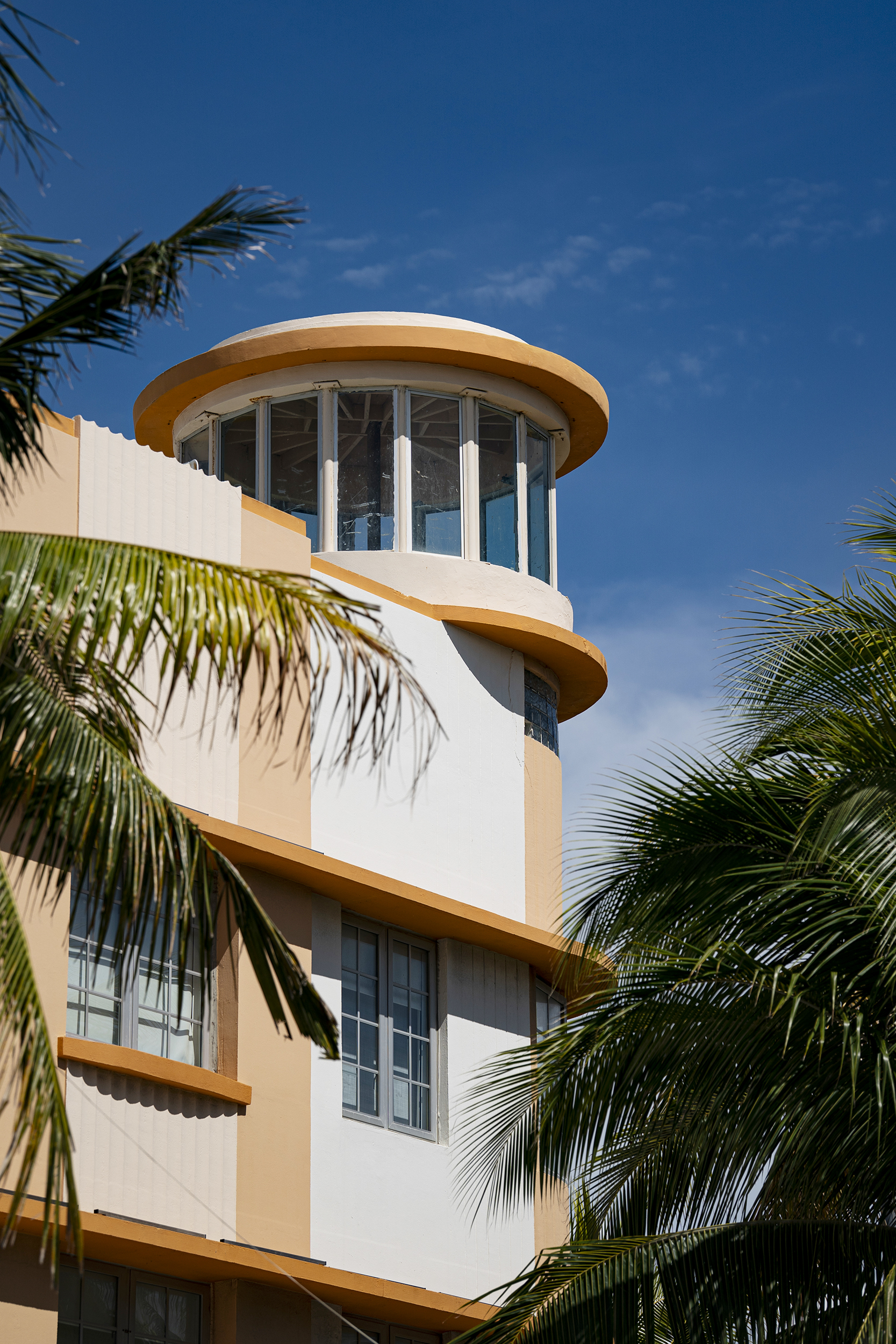
Rosp’s holdings include such iconic hotels as the Waldorf Towers on Miami beach, a 1937 art deco-style building on Ocean Drive, and Palo-Alto’s El Prado, a hotel whose storied Italian eatery counted Steve Jobs, Jeff Bezos and Mark Zuckerberg among customers before closing this year. It bought the Radisson Blu on Leicester Square in London for €142 million a few months ago.
In Portugal, Rosp has spent more than a decade backing the development of Na Praia, a luxury resort of villas and hotel suites overlooking one of the country’s most exclusive stretches of coastline.
Although Sandra has a small team running the show at her family office, she’s not entirely hands-off. That was demonstrated by her 2020 decision to fire its chief investment officer, who had worked first for her mother and then for her.
Sandra later accused him of misappropriation and disloyal administration, among other things, drawing her into a series of legal battles.
Her own activities revolve around the charitable foundation, which had a budget of about €3.5 million last year.
Sandra rarely makes public appearances, even when it involves her foundation. Under the “contact” tab, her foundation’s website states that its president “does not maintain profiles or engage in any activity on social media”, nor does she take part in “any public dialogue regarding social or philanthropic initiatives, business activities, or any other type of endeavour”.
She provided a rare glimpse into her view on life when a park named after her mother was inaugurated in Oleiros in 2024. Financed by her, it preserved old trees, stone walls and uneven ground and included over 200 plant species, nest boxes for birds and a pond full of a croaky frogs.
Certain areas in the park are not lit at night to protect the circadian cycles of animals. In a documentary on the park a year later, Sandra reminisced about her childhood and mulled over creating “a green space instead of building homes”.
“I think this is a space that allows people to pause and be in the world, for a little moment, in a different way,” she said in voice-over at the end of the film.
© 2026 Bloomberg