AI faces $6trn test to justify data centres, Bain says
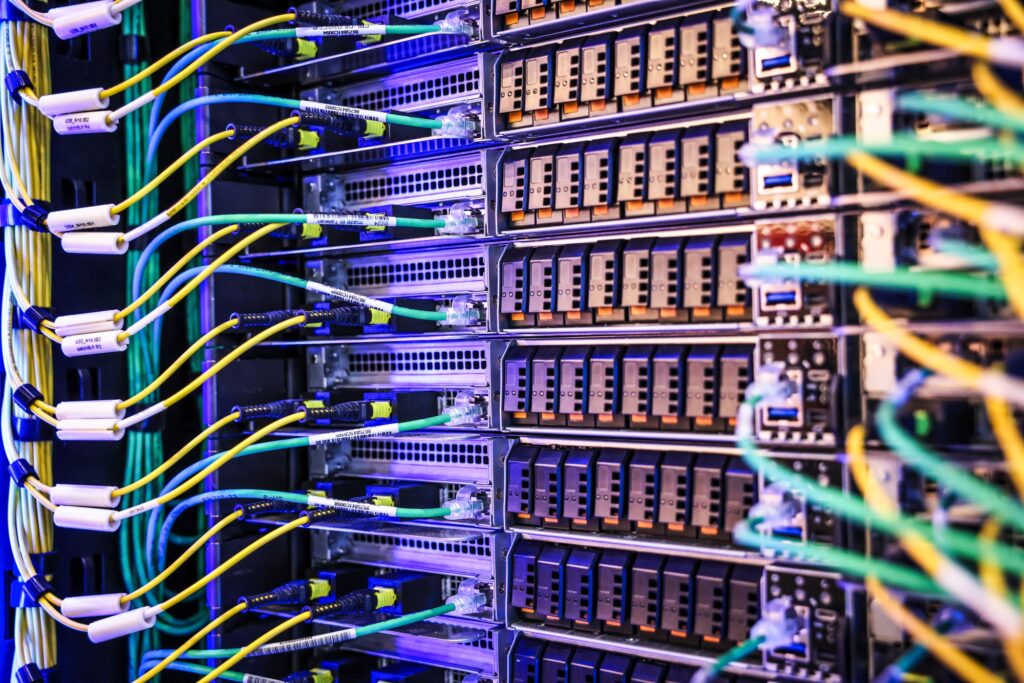
The global AI industry needs to earn $6 trillion in annual revenue by 2031 to justify the capital being deployed to build data centres around the world, Bain & Co said.
Existing consumer and enterprise AI services may generate as much as $1.8 trillion of that sum, leaving $4.2 trillion in new revenue that needs to be created, the consulting firm said Tuesday in its annual global technology report.
The shortfall likely will come from nascent segments ranging from autonomous machines to robotics as well as emerging fields such as drug discovery, mental health and energy generation, it said.
“What the industry needs is a wave of innovation that will dwarf what mobile and cloud unlocked,” said David Crawford, the report’s lead author and chairman of Bain’s Global Technology, Media, and Telecommunications practice.
“AI infrastructure is being built well ahead of the demand curve and funding it sustainably will require adding approximately 1% to the annual global GDP growth rate,” he said.
Bain’s report highlights the hurdles ahead to make the current pace of AI development sustainable.
Read:
AI’s existential fears meet Wall Street financing Fomo in Europe
AI data centres could make electricity more expensive
Thailand puts 49 data centres on hold over resource strain
Companies led by Microsoft Corp, Alphabet’s Google, Amazon.com, Meta Platforms and Oracle Corp are investing trillions of dollars in data centres to quench AI’s demand for computational resources.
Data centre sizes and costs are doubling roughly every 12 to 16 months, in part due to surging prices of chips from the likes of Nvidia Corp and SK Hynix, networking equipment and other components.
The report comes as debate intensifies around the as-yet elusive returns for AI service providers. Critics worry about an increasingly interconnected web of dependencies between technology manufacturers and AI developers that help to propel lofty expectations that in turn require bigger sums of money.
While discussions today are fixated on employee productivity, the economics of AI infrastructure will demand trillions in new revenue beyond productivity gains, Bain said.
Read: From momentum to quality: The next phase of the technology trade
The consultancy projects $5 trillion to $6.5 trillion of data-centre spending by 2030, adding at least 150 gigawatts of capacity that will further strain countries’ energy resources. Annual spending on AI infrastructure – spanning data centre, computing capacity and upgrades in accelerators and memory chips – may reach as much as $1.5 trillion by 2031, it said.
Data centre developers already face shortages in transformers and water and power supplies, as well as fierce local opposition that’s blocked or delayed $68 billion worth of projects in the June quarter in the US.
© 2026 Bloomberg